

MEDL (Monitoring, Evaluation, Documentation & Learning)
Monitoring and Evaluation (M&E) in the development sector is a crucial process for tracking the progress and performance of development programs, projects, and policies. It helps organizations understand whether their efforts are achieving desired results and making a positive impact, and it identifies areas for improvement. M&E is not just a management tool; it’s a fundamental aspect of effective program management, promoting accountability, transparency, and learning. Monitoring is a systematic and routine process of collecting, analyzing, and using data to track project or program progress, identify areas needing improvement, and ensure accountability and learning. It’s a crucial part of Monitoring and Evaluation (M&E) frameworks that help organizations/ governments understand whether their efforts are achieving desired results and making a positive impact. According to World Bank Group, Monitoring can be defined as: “A continuing function that uses systematic collection of data on specified indicators to provide management and the main stakeholders of an ongoing development intervention with indications of the extent of progress and achievement of objectives and progress in the use of allocated funds” Evaluation is a critical process used to assess the effectiveness, efficiency, and impact of development programs and interventions. It helps determine whether development initiatives are achieving their intended goals, identify areas for improvement, and inform future decision-making.PHDMA’s Way
Evaluation Strategies and Research methodologies

Narrative Based Evaluation

Continuous Monitoring
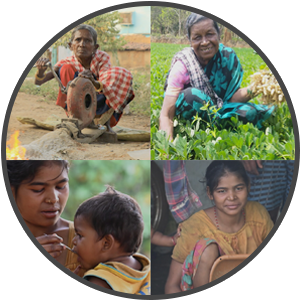

Visual Anthropology

Deep Sensing
PHDMA’s Paradigm Shift in M&E
From Quantitative to Qualitative
PHDMA has redefined its M&E approach, transitioning from data-heavy methods to qualitative, narrative-based and people-centric monitoring. We believe:- Numbers provide information, but stories provide insight.
- Stories capture emotion, context, nuance, and aspiration.
- Monitoring must reflect the complexity of real life, not just data points.
Main Perspective of PHDMA: Mycelium Method
PHDMA follows the Mycelium Method, a contextualized and experiential learning approach that is driven by connections. It is based on deep listening, field observations, data mining, and the philosophical underpinnings of the data. We:
- Visit homes, organizations, institutions, and grassroots institutions in various locations.
- Traveled over 500,000 kilometers across Odisha, visiting over 500 sites.
- So far, we have collected over 5,000 stories from over 5,000 victims, 10,000 images and visuals, and over 3,000 development stories.
1. PRARAMBHA:
- Narrative and lived reality lab; story-based evaluation.
2. SANKHYA:
- Data sensing lab; Numbers, indicators, data visualization with context.
3. FRAME TELLS:
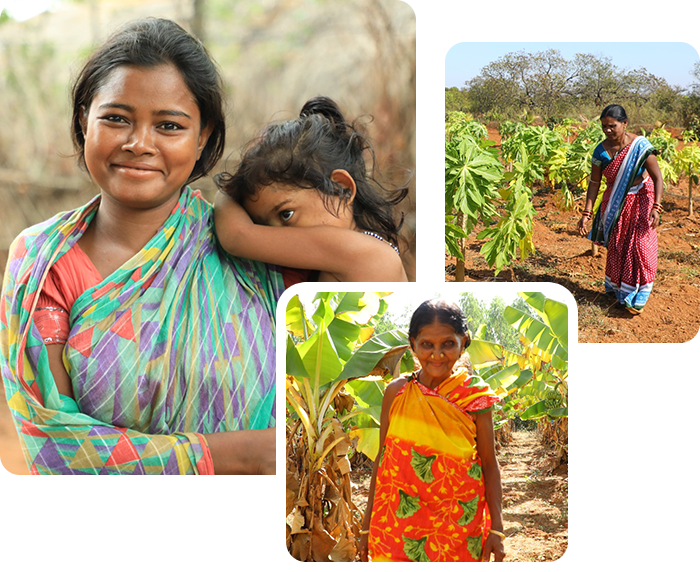
- Visual anthropology lab; evidence building through images and understanding how people live.
PHDMA has gathered knowledge from various organizations through a network called 'Friends of PHDMA' – such as:
● Civil society groups
● Academic institutions
● Development partners
This peer-learning and co-thinking ecosystem brings in global best practices contextualized for Odisha.
Stories as Evidence
At PHDMA, people’s experiences are evidence. Narratives are systematically collected, categorized, and fed directly into policy formulation.
Our approach ensures:
● Governance initiatives are measured by the lives they impact
● Voices from the margins are heard, documented, and acted upon
● Insights from the ground guide responsive governance
Through our ECO Fellows and trained grassroots functionaries known as VoP (Voice of PHDMA), we engage in real-time, continuous monitoring at the Gram Panchayat level.
This process includes:
● Regular field visits and sensing exercises
● Submission of actionable reports to district and block-level authorities
● Loop closure via Action Taken Reports (ATRs)